Manual vs Machine Post Driving: Time, Cost & Efficiency Comparison

This is a subtitle for your new post
Machine Post Driving

Putting in fence posts sounds simple enough, until you’re halfway through a paddock, the sun’s beating down, and you’ve still got dozens to go. Anyone who has done it manually knows it’s a job that can drain your energy fast. That’s why more people, from farmers to fencing contractors, are comparing manual methods to using a machine like a post driver to see what actually saves time, money, and effort in the long run.


There’s no “one size fits all” answer. The right choice depends on the size of your property, the soil you’re working with, and how often you’re putting in posts. But there are some clear differences between the two methods and understanding them can save you from a lot of frustration (and a sore back). 


Let’s break this down in a straightforward way.


How Manual Post Driving Actually Feels on the Job


If you’ve ever used a manual rammer, you know the drill: lift, slam, repeat… over and over again. It works, but it’s slow and physically demanding. On a small job, you might not notice the strain, but once you’re doing 30, 40, or 100 posts, the fatigue builds fast.


Here are the common challenges people mention with manual driving: 

  • It gets tiring quickly, especially in tough ground
  • You need a lot of strength and stamina
  • Posts don’t always drive straight on uneven ground
  • Rocky soil or clay can stop you in your tracks
  • It’s hard to maintain the same quality across every post 


That last point matters. On a long fence line, manually driven posts can end up at slightly different depths and angles, not always a deal‑breaker, but noticeable enough if you’re trying to keep things tidy. 


Where Machine Post Driving Makes a Difference


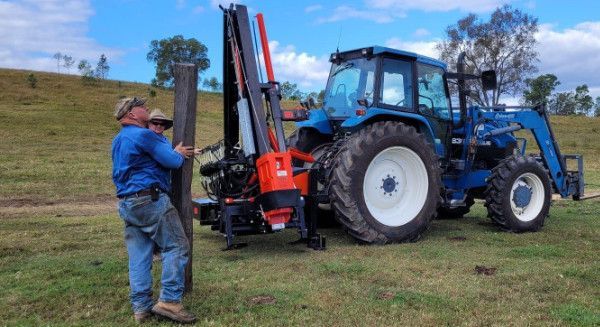
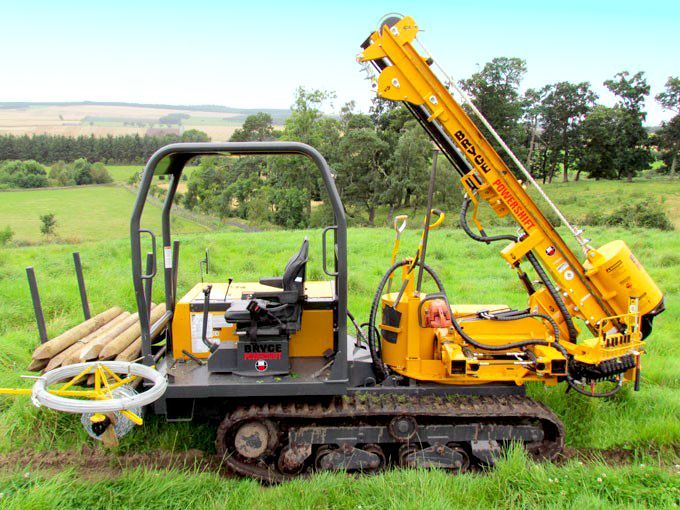
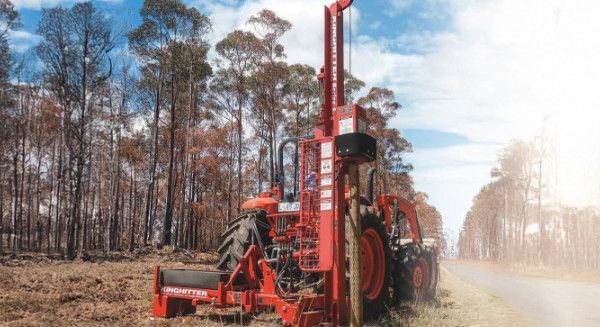
Using a mechanical post driver changes the job completely. Instead of relying on your own strength, the machine handles the impact force, meaning you save your energy for the rest of your tasks. 


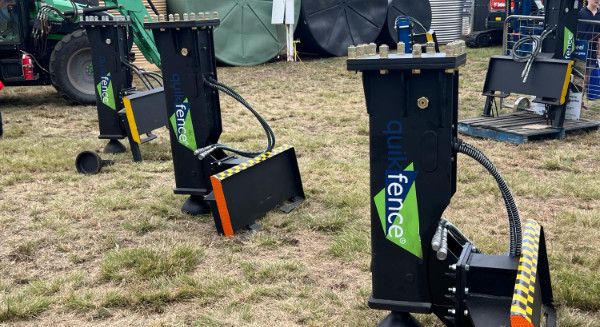
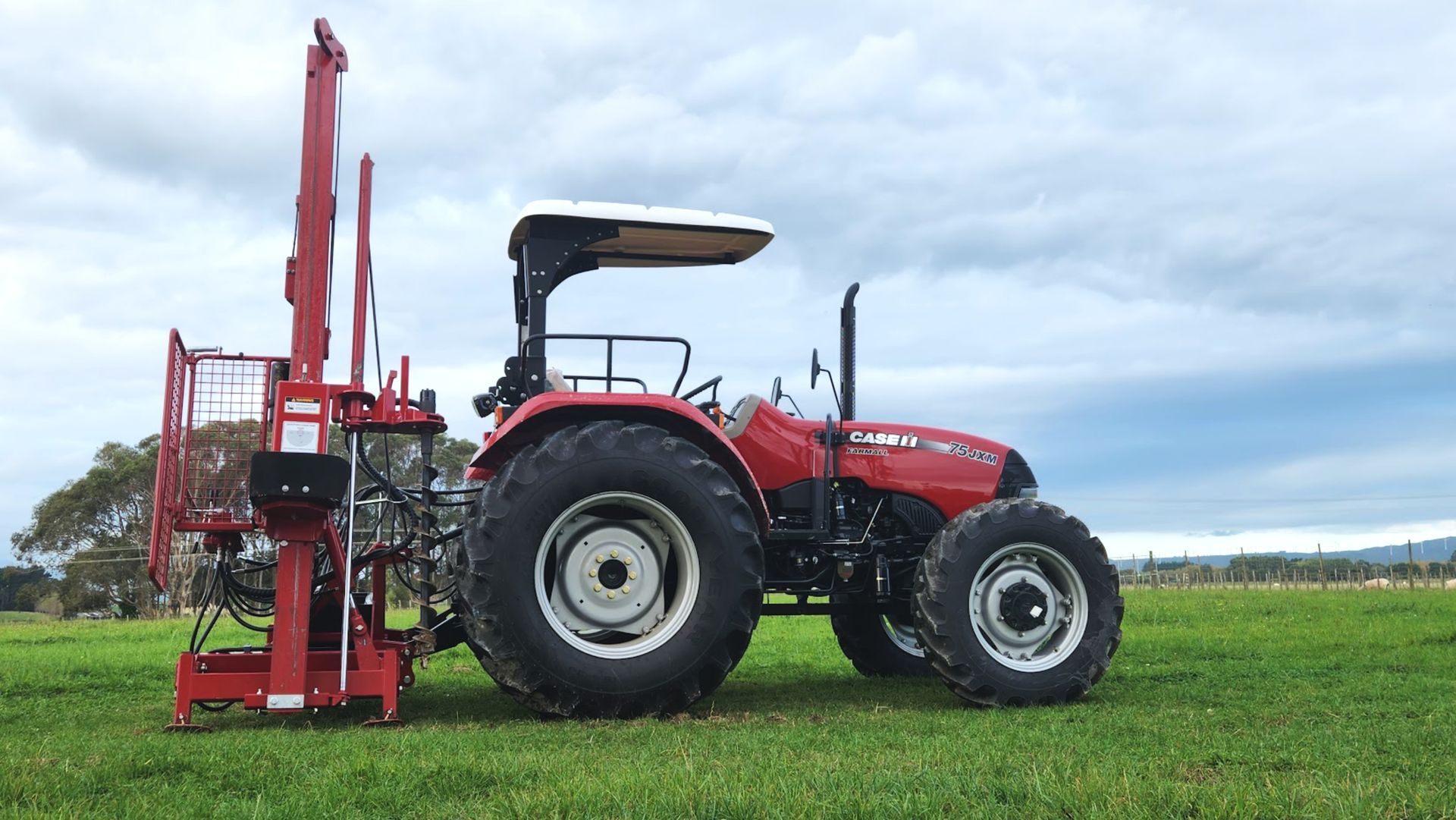
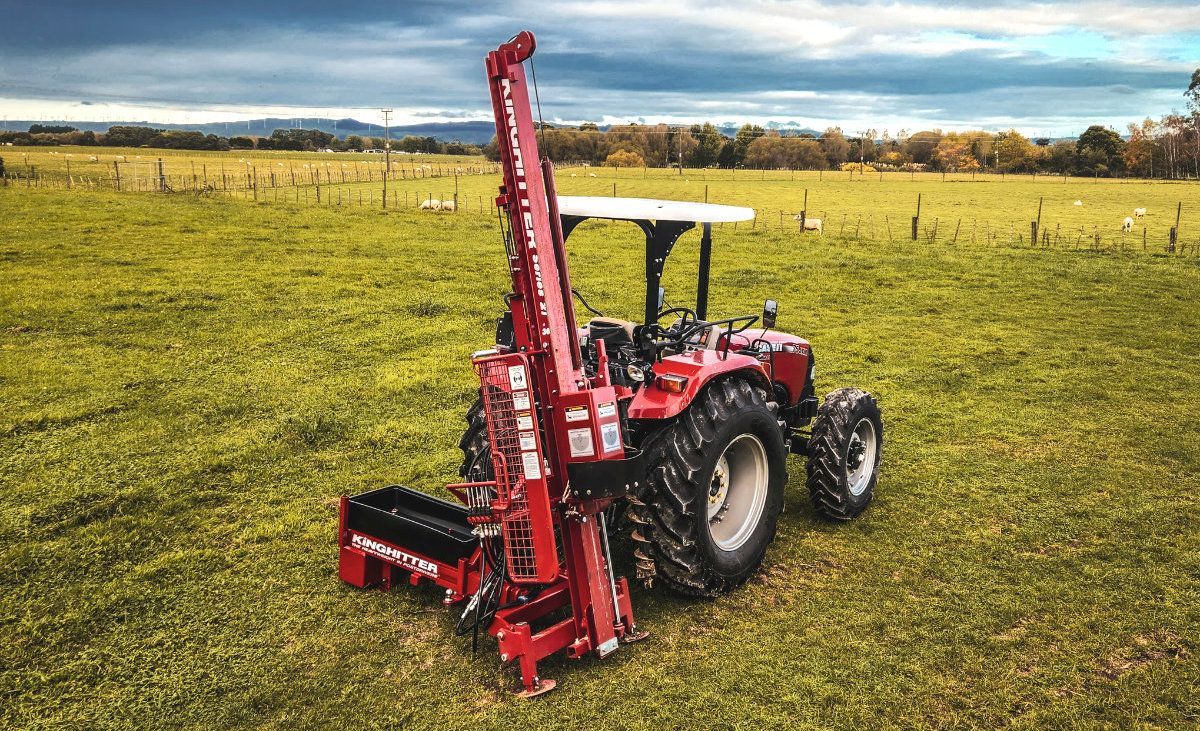
There are different kinds of machines, including petrol‑powered units and the heavier
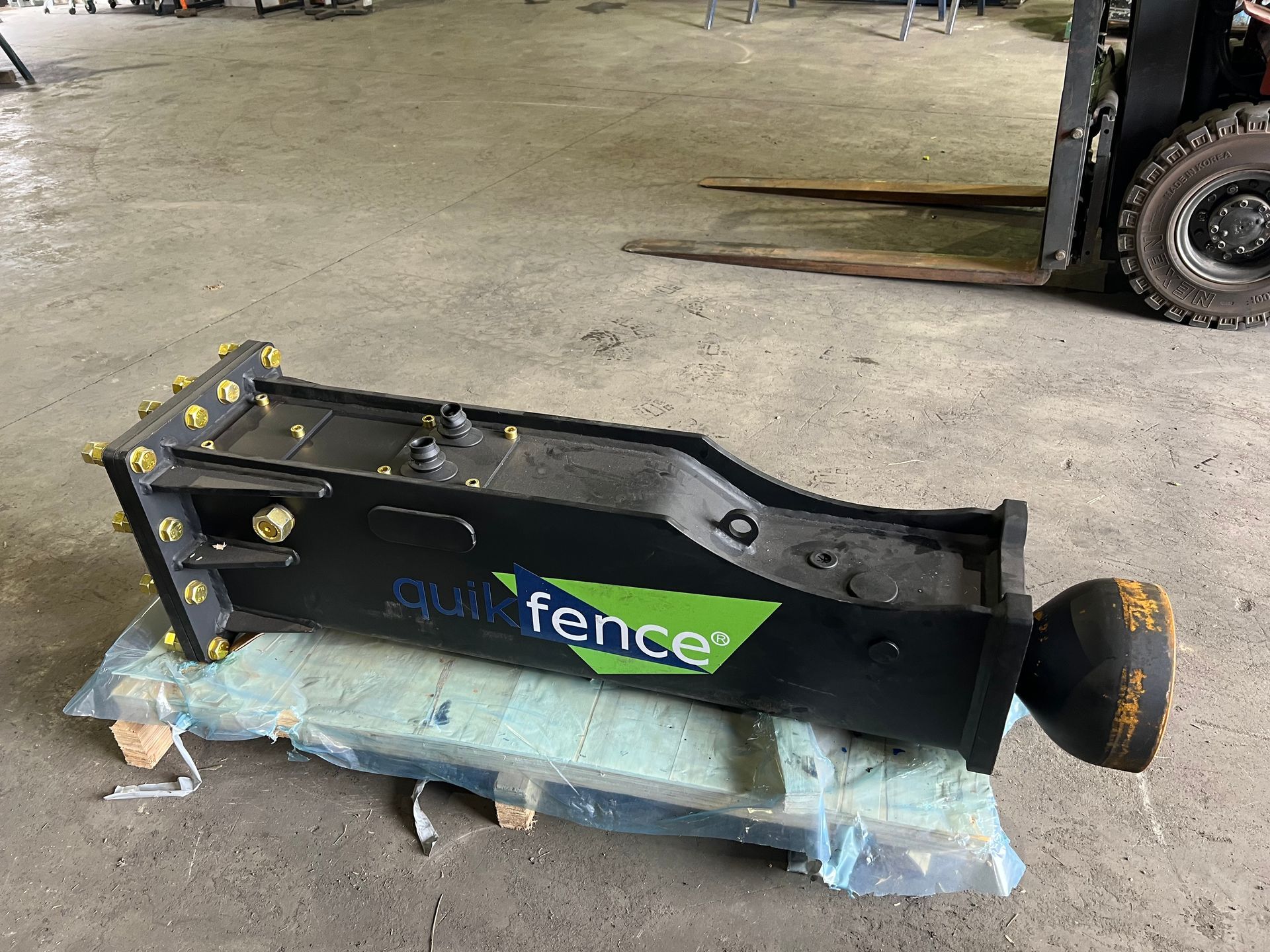
hydraulic fence post driver models that attach to tractors or machinery. Even the smaller versions make a big difference.


The biggest advantages are fairly consistent: 


1) Faster Install Times 


A machine can drive a post in seconds, not minutes. When you multiply that across a full fence line, you save hours, sometimes days. 


2) Less Physical Strain 


This one doesn’t need much explanation. You’re not lifting and slamming anything by hand, which means fewer aches, fewer breaks, and much lower risk of injury. 


3) More Consistent Depth and Alignment 


Machines hit straight down with controlled force. That means a straighter line, tighter finish, and fewer posts you need to redo. 


4) Better Performance in Difficult Ground 


Clay, rocky patches, or hard, dry soil can stop manual driving completely. A machine can usually break through or at least get the post in deep enough to be stable. 


5) More Cost‑Effective for Regular Jobs 


If you fence often, hiring or owning a post driver for sale becomes far more cost‑effective over time than relying on manual labour. 


Time Comparison: Manual vs Machine 


Here’s a realistic look rather than perfect‑world numbers.


Manual driving:

3–5 minutes per post on average

More time if the ground is tough

More breaks are needed as fatigue sets in

Speed drops as the day goes on


Machine driving:

10–20 seconds per post

Consistent speed all day

No energy drain

Productivity stays high


Cost Comparison: What You Don’t See at First 


Manual driving feels “free” because you’re not renting or buying equipment, but the hidden costs stack up: 

  • more labour hours
  • slower jobs
  • higher fatigue
  • increased risk of repetitive strain injuries
  • more uneven results (sometimes needing corrections) 


On the other hand, a machine requires an upfront investment (or hire fee), but: 

  • The job finishes sooner
  • labour costs drop
  • You can take on more work with the time saved
  • accuracy is better
  • You reduce the risk of injury or downtime 


For anyone fencing regularly, a machine usually pays for itself much faster than expected.


Which Method Is More Efficient Overall? 


If you’re doing small repairs here and there, manual driving can still make sense. It’s simple, cheap, and doesn’t require any setup. But if you’re replacing long fence lines, working large paddocks, dealing with tough ground, or running a farm, doing fencing as part of your business a machine is almost always more efficient. 


Most people who switch to a hydraulic fence post driver say that they should’ve changed years ago. Because once you’ve experienced how much easier and faster the job becomes, it’s hard to go back.


Which One Do You Prefer?


Both methods have their place, and every property is different. Manual driving might suit the occasional small fix, but when it comes to long‑term efficiency, safety, and consistency, machine post drivers leave manual work miles behind. 


Whether you choose a petrol model or invest in a hydraulic option, the difference in time and effort is noticeable from the first post. Give us a call at
QuikFence to better understand your choices.


The Post by QuikFence
by Jon Earl 4 September 2026
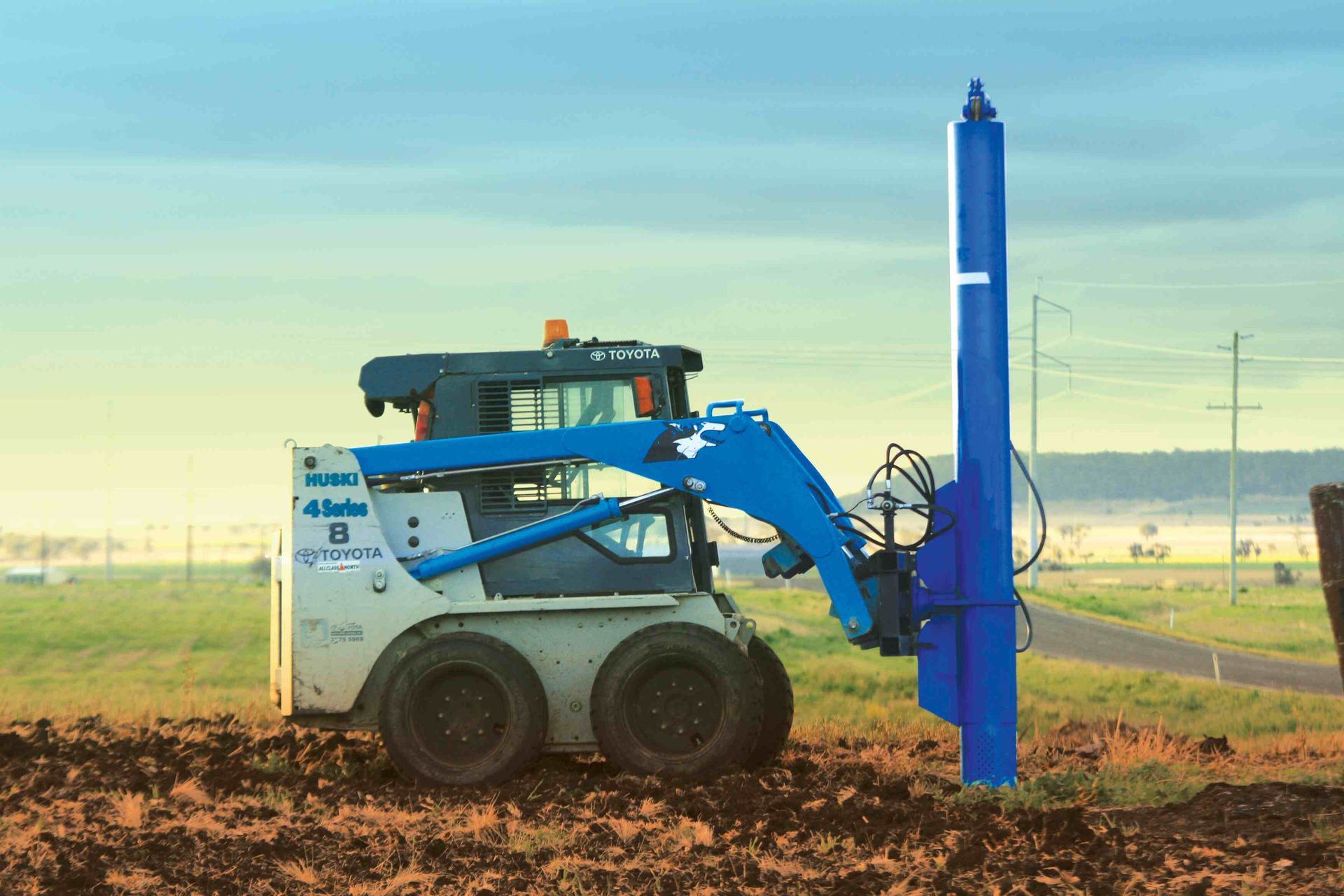
Time lost on a fencing job rarely comes back. The season opens, the ground is workable, and there's a long run to get through before conditions change. Most people underestimate how much the choice of equipment shapes how that run actually goes. The gap between manual post driving and a post driver for a skid steer is bigger than most expect before they've experienced both side by side. The Reality of Manual Post Driving Manual post driving works. But working and working efficiently across a full day are two different things. Every post requires the operator to position equipment by hand, strike repeatedly, check alignment, correct if needed, and move on. On a short job with easy ground, that's manageable. Once the run stretches out, it becomes the thing that eats the day. Depth varies from post to post. Alignment drifts. The operator tires and small errors start creeping in before anyone notices. A job that looked achievable in the morning starts pushing into the next day. That's not a failure of effort. It's the natural limit of what manual methods can sustain across a serious fencing run. What Changes When a Skid Steer Gets Involved The operator stays in the cab throughout. The machine repositions between posts without anyone climbing off or dragging equipment into position by hand. The fence post driver handles the impact. The operator handles placement. That shift alone changes the pace of the whole job. The bigger change is consistency. Controlled hydraulic force delivers the same result post after post. Depth stays uniform. Alignment stays cleaner across the run. The small corrections that cost manual operators minutes at a time stop being a constant part of the day. ere the Time Actually Goes Faster driving is the obvious saving. A skid steer post driver gets through a post in a fraction of the time manual methods take. Across hundreds of posts, that adds up to hours, not minutes. Fewer corrections is the next one. Posts that go in consistently straight don't need adjusting. A fence line built with uniform depth and clean alignment doesn't need rework once the wire is up. Less fatigue is the saving that doesn't get counted but matters most. The physical load stays on the machine rather than the operator. The pace that starts the morning holds through the afternoon in a way that manual driving simply can't match once the day gets long. Hard Ground Is Where the Gap Really Opens Up On easy ground, manual post driving is slow. On hard ground it becomes genuinely difficult to sustain Compacted clay, rocky sections, ground baked dry across an Australian summer. These are the conditions where manual methods lose hours that don't come back. Progress slows, and the results get inconsistent just when the job needs them most. A post driver handles those changes without the operator having to compensate manually. The hydraulic system responds to resistance and the job keeps moving. In particularly tough or difficult to access sections, the PostPuncher can work on slopes, over ditches, and into spots where manual driving simply isn't a realistic option. Access Is Part of the Time Equation Too Manual driving means carrying or dragging equipment to each post location. A fence post driver on a skid steer moves with the machine. Tight corners, steep creek banks, narrow sections near yards and sheds. A skid steer gets into those spots without the setup that larger machinery requires. Less time getting to the post means more time actually driving it. What the Difference Looks Like Across a Season On a single job, the time saving is noticeable. Across a full season of fencing work, it becomes significant. Faster installation. Fewer corrections. Less fatigue dragging down the second half of the day. Better access across sections of the property that used to cause delays. All of it adds up across every run the season brings. For anyone still relying on manual methods for regular fencing work, the question isn't whether a skid steer post driver saves time. It's how much time has already been lost without one. QuikFence supplies a range of post drivers suited to skid steers and Australian conditions, including the PostPuncher, FencePro, and ThunderPro. Get in touch with our team to know which machine suits your work.
by Jon Earl 17 August 2026
Discover 7 signs it's time to upgrade your post driver, from slow jobs and operator fatigue to hard ground, safety concerns and costly downtime.
by Jon Earl 7 August 2026
Comparing the KingHitter and Bryce Suma post rammers? See how each hydraulic post driver performs so you can choose the right fit for your fencing needs.
Steer Post Driver
by Jon Earl 31 July 2026
Learn how a skid steer post driver reduces operator fatigue, improves fence quality, and speeds up post installation across Australian farms.
 Skid Steer Post Driver
by Jon Earl 24 July 2026
Choosing a skid steer post driver? Compare hydraulic, percussion & front-mounted options from QuikFence to match your ground, machine & posts.
Post drivers for sale
by Jon Earl 16 July 2026
Keep your post driver in top condition with practical maintenance tips to extend equipment life, improve performance and reduce downtime.
by Jon Earl 6 July 2026
Learn how the KingHitter post driver outperforms traditional post rammers with improved safety, consistent performance, and greater efficiency.
by Jon Earl 30 June 2026
Discover why more Australian farmers are investing in post-driving equipment to improve fencing efficiency, reduce labour, and boost productivity.
by Jon Earl 19 June 2026
Discover why contractors choose tractor mounted post drivers over standalone models for faster fencing, greater precision, less labour and consistent results.
by Jon Earl 12 June 2026
Discover how hydraulic post drivers speed up fencing, reduce fatigue, and deliver consistent results even on tough Australian terrain - Learn More!
More posts